The baker is the variable
Walk past two boulangeries in the same street and the bread is not the same bread. The flour is likely from the same mill — possibly the same bag. The water is the same municipal supply. Salt is salt. Yeast, or sourdough starter, is the wild card, but wild yeasts are local and much the same across a town. What makes the loaves differ is the baker: the sequence of decisions, some conscious, many habitual, that happen between weighing and baking.
Hydration is the first decision. More water opens the crumb and demands more confidence in handling; too much and the loaf spreads instead of rising. Bakers find a percentage they trust and stick there, and two bakers with identical recipes will land at different numbers. Then comes fermentation — how long, how cold, how many folds during the bulk rise. Slow cold fermentation, overnight in a retarder, develops flavour compounds that a two-hour bench rise cannot produce. A baker in a hurry and a baker who plans twenty-four hours ahead are making different foods.
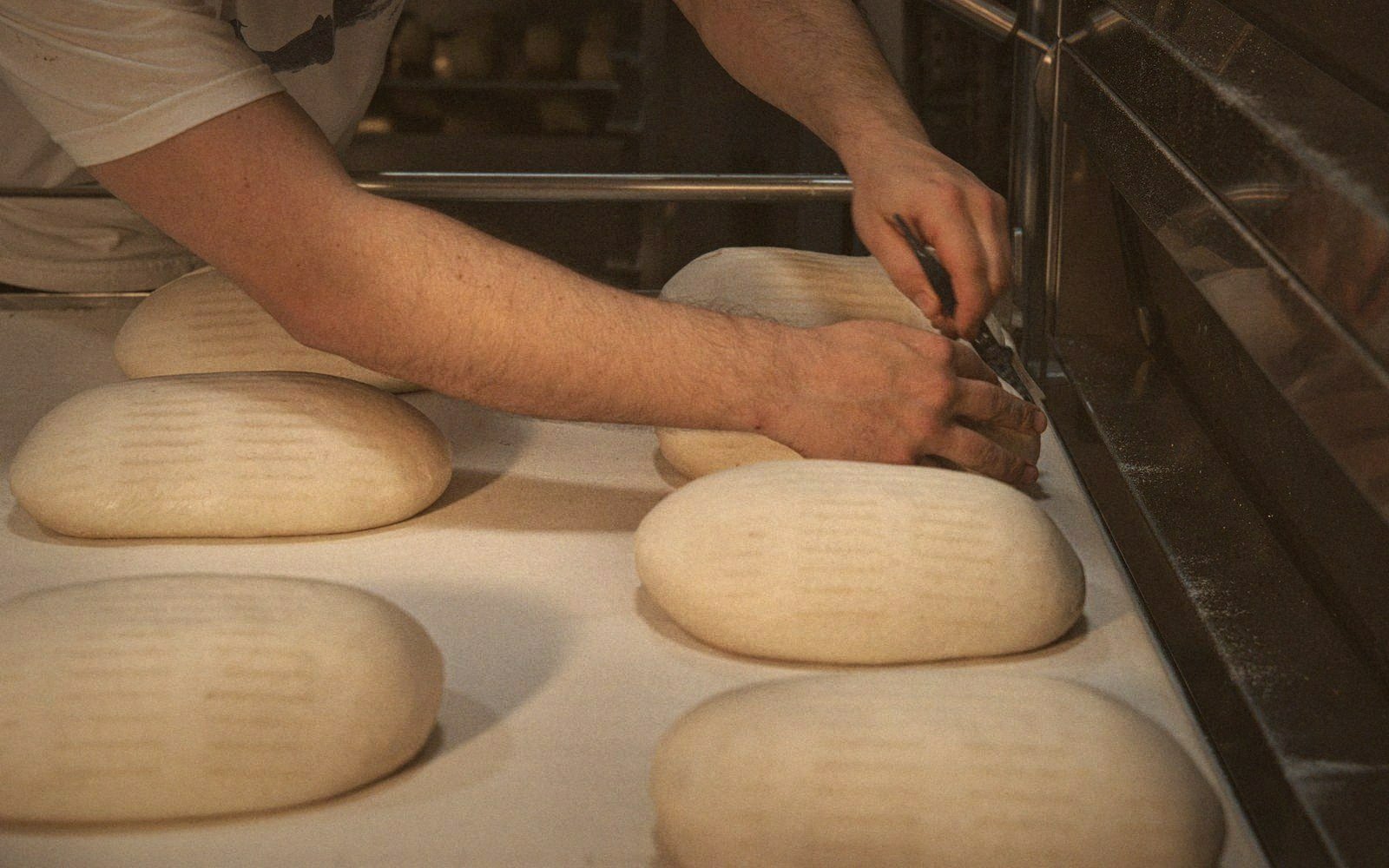
Shaping is where craft becomes most visible, and most invisible. A tight, well-tensioned boule (round loaf) holds its height in the oven because the surface is under elastic stress; a slack-shaped one slumps. This is feel, not measurement, and it is learned over years of repetition, not from a recipe. The score — the cut made with a lame (razor blade) just before the loaf goes in — controls where the crust splits. A confident, angled cut at exactly the right moment; a hesitant one too deep or too shallow: these give visibly different loaves with nominally identical ingredients.
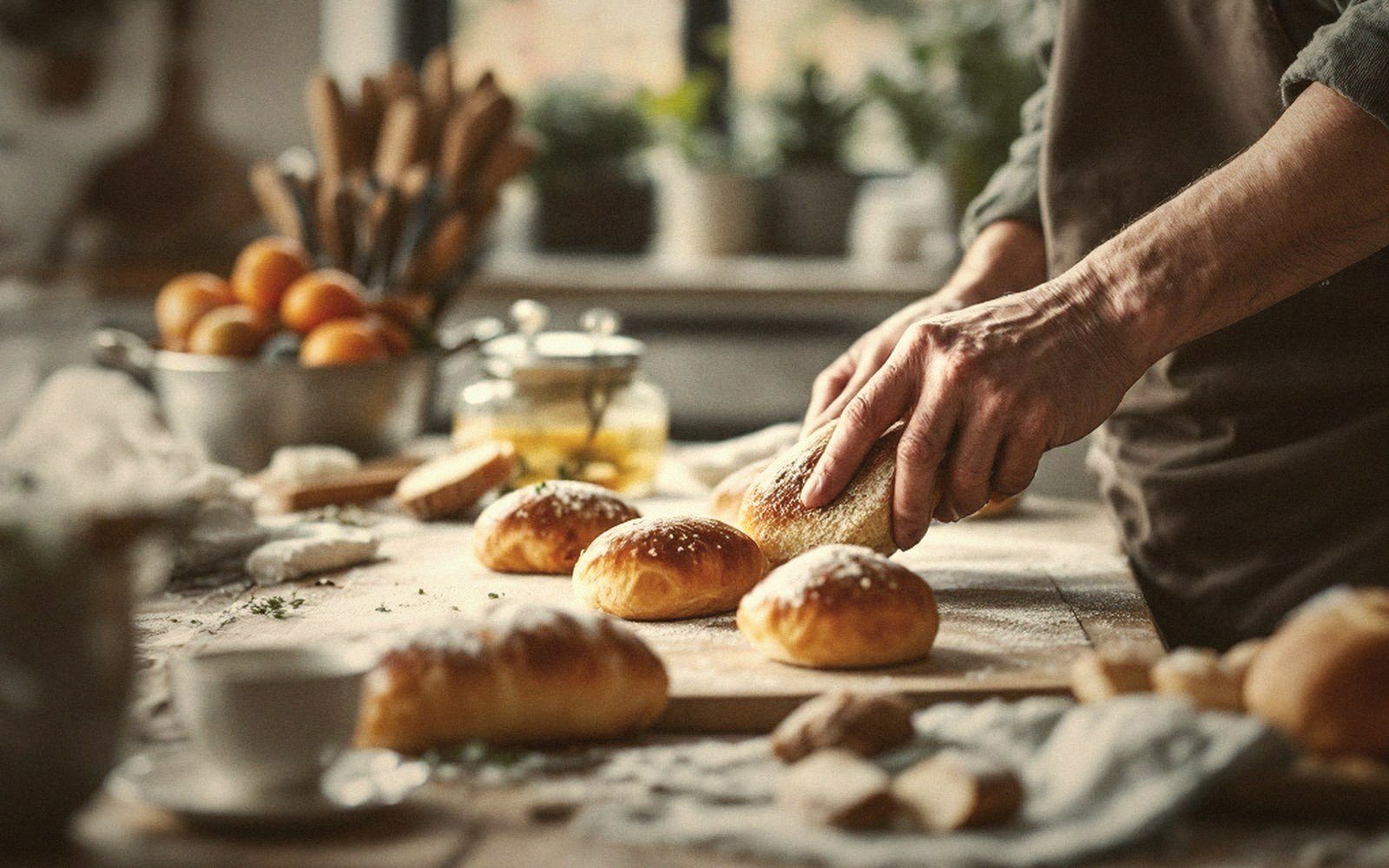
The oven matters, but less than most people assume. Steam in the first minutes keeps the crust soft long enough for the loaf to rise fully; a baker with a deck oven and steam injection has an advantage over a domestic one, but a baker who misjudges the load or pulls the bread thirty seconds early loses it regardless.
What you are buying when you pay more for bread from one bakery than another is not exotic flour. It is accumulated judgment — all the small calibrations that happen before the loaf ever reaches the shelf.