The window and why it closes
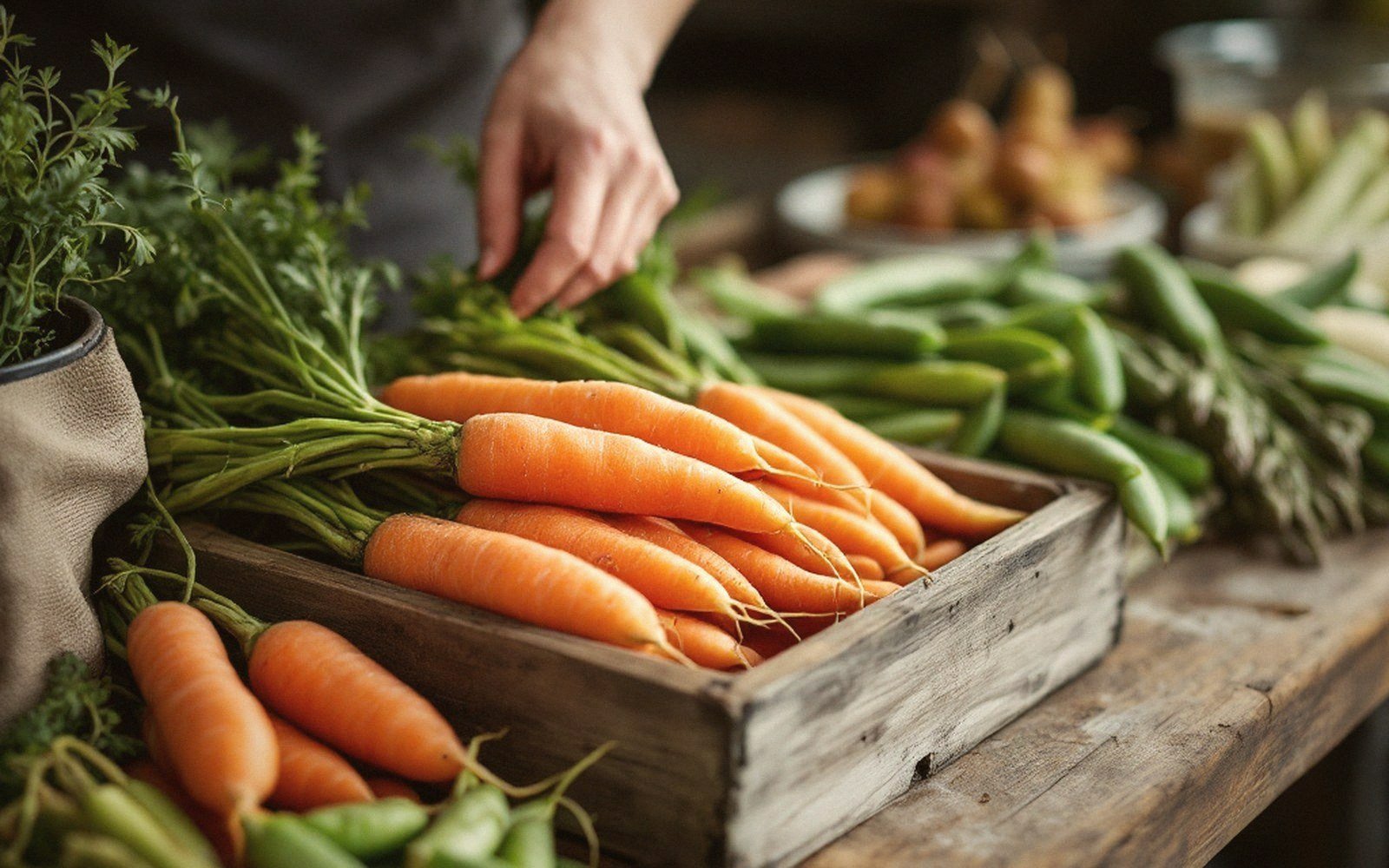
There is a short period each spring — a few weeks at most, and different for each vegetable — when something newly pulled from cold ground is so full of its own sugar and moisture that cooking it feels almost beside the point. A young carrot, a slim leek, the first broad beans still almost translucent in their pods: these things have not yet converted their sugars to starch, have not yet grown fibrous or hollow from heat and age, and have no need of sauce, fat or long technique to make them worth eating.
The window closes fast. A broad bean the size of a thumbnail can be eaten raw. A week later it wants brief blanching. Another week and it needs the inner skin peeling away to reach anything worth having. This is not sentiment about seasons — it is chemistry. As a plant matures, soluble sugars migrate or convert, water content drops and cell walls thicken. The process accelerates further once the vegetable is cut from its root.
That acceleration is the case for buying from a market stall where the person selling it picked it that morning, rather than buying something that spent three days in a distribution chain. With genuinely fresh early vegetables, the cook's job is restraint: hot water or a hot dry pan, salt, and very little time.
What the technique actually is
For most early vegetables, blanching — plunging briefly into fiercely boiling, well-salted water and then eating immediately — is the method that preserves what is already there. The salt in the water seasons from the outside in and and the water returns to the boil quickly, so cooking is brief and the window of acceptable texture is more forgiving. Drain and eat; do not refresh in cold water unless you are cooking ahead, because the chilling also stops the colour from browning but robs you of the steam that finishes the job.
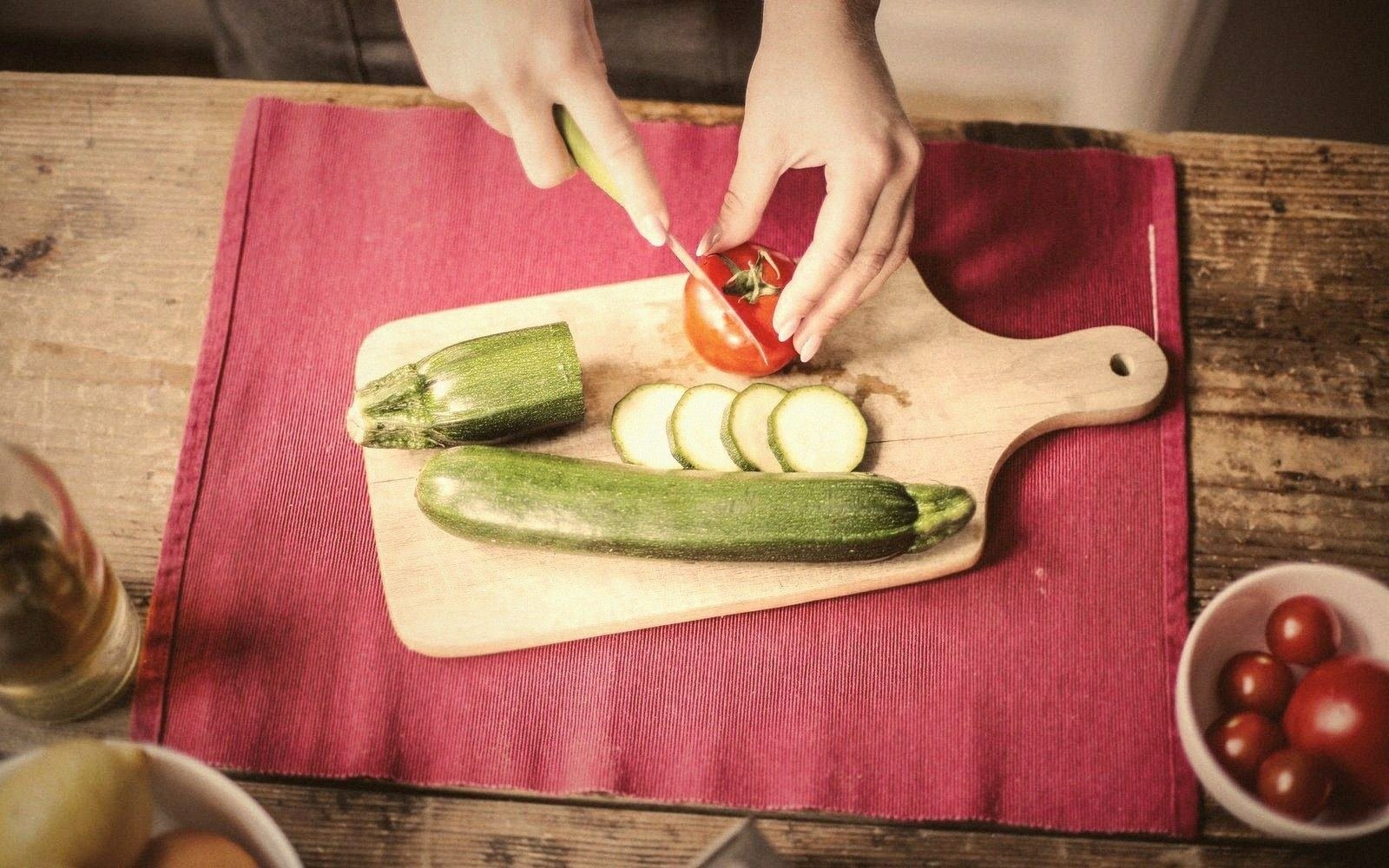
Some things prefer dry heat. Very small turnips, halved, benefit from a short time in a dry iron pan: the cut face caramelises while the interior stays just barely tender, and this contrast is itself a pleasure that boiling cannot give. But the logic is the same — high heat, short time, and the cook stepping back before the vegetable loses what made it worth buying in the first place.
The error is embellishment: cream, long braises, elaborate sauces applied to something that is only briefly at its peak. Save those techniques for the roots and the stored vegetables of winter, which genuinely need them. In May, the work is mostly knowing when to stop.