What keeps, and what it needs
A carrot, a celeriac, a parsnip: each one is a plant's larder, packed with sugars and starches to carry it through winter. That biological purpose is exactly what makes them useful to a cook who wants to eat well in February without paying greenhouse prices. But storage is not passive. Temperature, humidity and company all matter, and getting one wrong can spoil a whole crate.
The ideal is a cold, dark space that stays between roughly 1°C and 5°C — cool enough to suppress respiration and mould, not so cold that the cell walls freeze and collapse into mush. A traditional French cave, the limestone-cut or earthen cellar beneath a farmhouse, achieves this almost automatically. A modern flat does not, which is why a cool pantry cupboard, or even an unheated garage in winter, becomes valuable real estate.
Humidity matters equally. Roots lose moisture through their skins and will shrivel in a dry environment; they rot in a wet one. The old technique is to layer them in slightly damp sand or sawdust — the sand buffers moisture, keeps roots separate and suppresses the surface moulds that start trouble. Turnips and beets store well this way; so does celeriac, though it prefers slightly cooler conditions than a carrot does.
What ruins a whole box is faster to explain than to fix: one rotting specimen produces ethylene gas and fungal spores that spread. Check the box weekly. Remove anything that has softened at the shoulder or begun to smell fermented rather than earthy. A single bad parsnip left three days too long can take the rest.
The other saboteur is proximity to apples or pears, which generate enough ethylene to accelerate decay in everything nearby. Fruit and roots belong in different corners of a cellar, ideally different rooms.
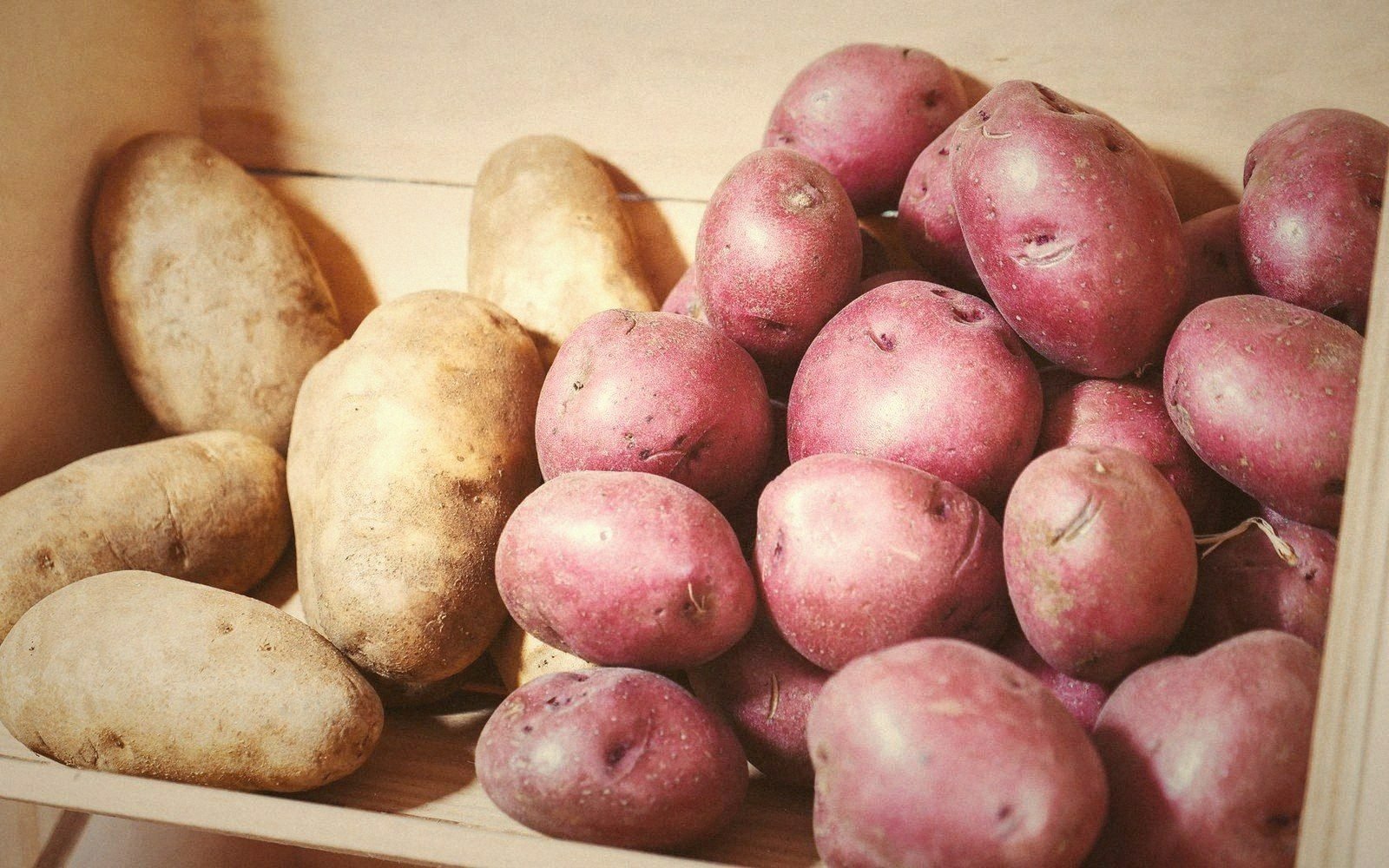
Potatoes deserve a separate note: they want darkness more than anything, because light triggers solanine production in the skin — the greening that makes a potato bitter and, in quantity, genuinely harmful. Any root stored alongside them should tolerate the dry conditions potatoes prefer.