Surplus as recipe
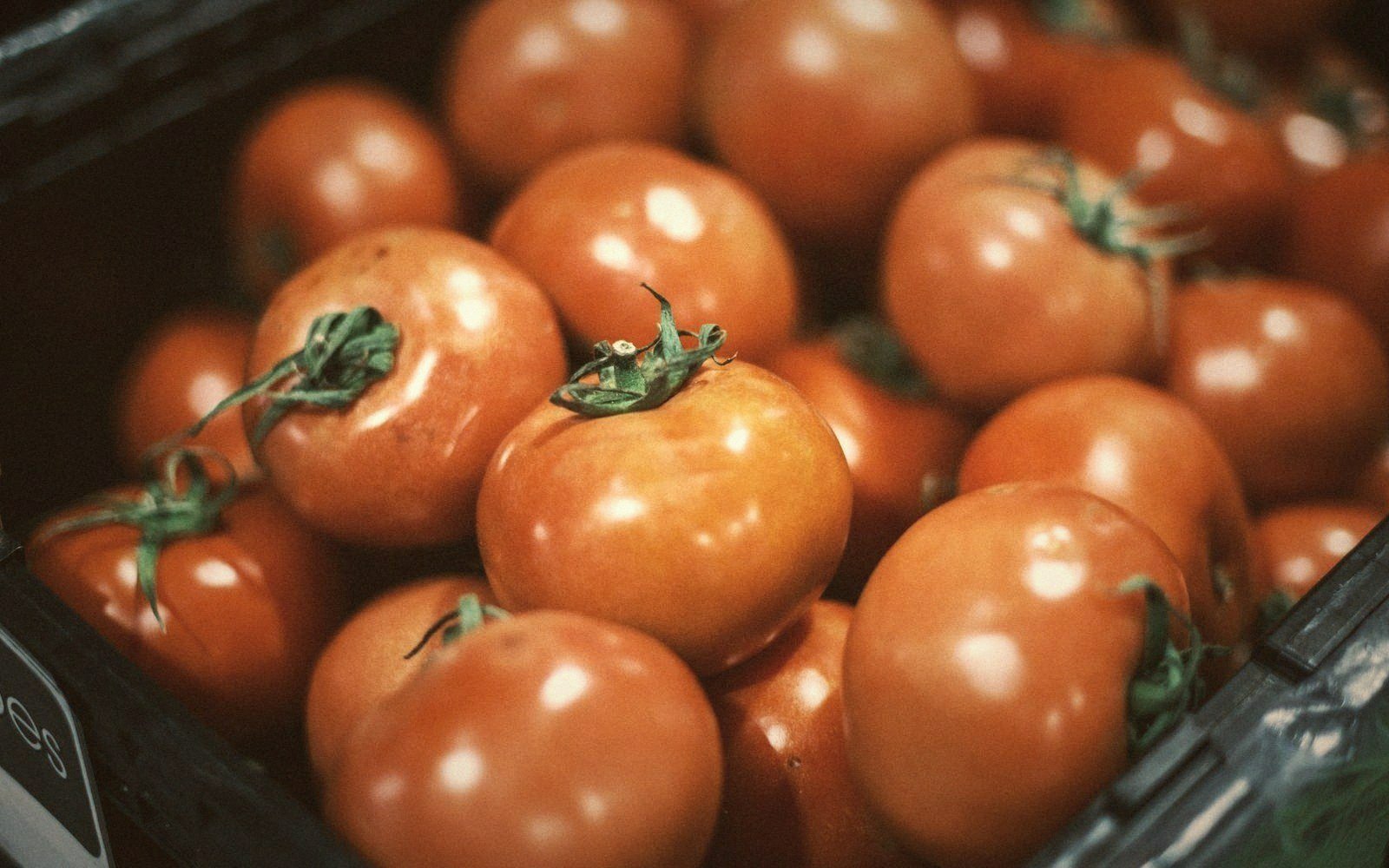
A courgette is a fine thing at fifteen centimetres. Left three days, it is a marrow, and you have eight of them. Tomatoes ripen together in a hot week regardless of what you had planned. Runner beans come in so fast that picking falls behind growing, and the pods thicken and toughen before you can use them. None of this is failure. It is the condition the old methods were built around.
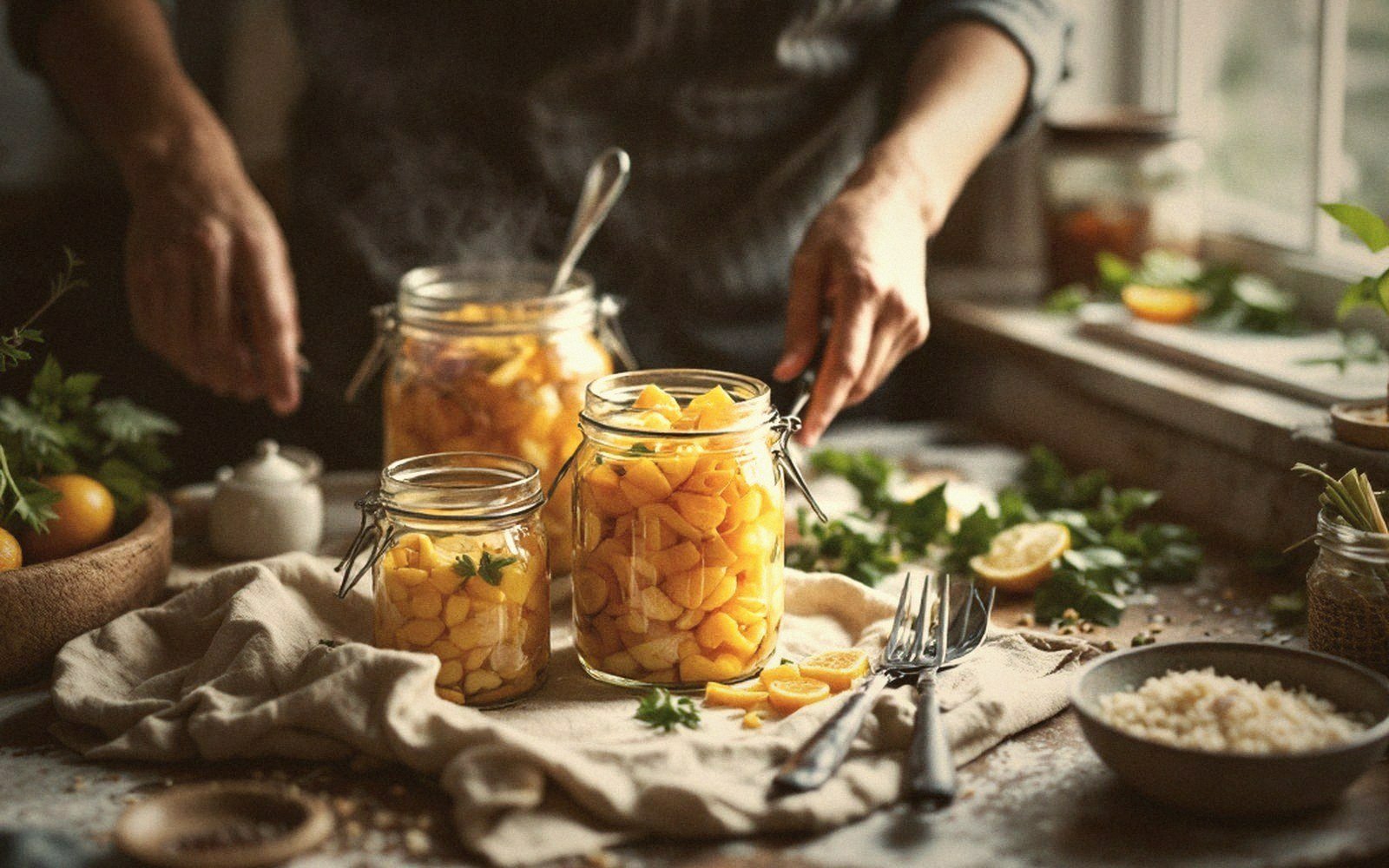
The glut is not a modern inconvenience solved by a chest freezer. It is the original pressure behind preserving: the confiture and the cornichon, the tomato coulis put up in jars in September, the green beans packed in brine. Glut and technique are the same conversation, and the technique came first only in the sense that survival required it. Preserving before refrigeration mapped five distinct ways of making surplus last — salt, fat, sugar, acid, smoke — and almost every one of them was invented in the shadow of too much.
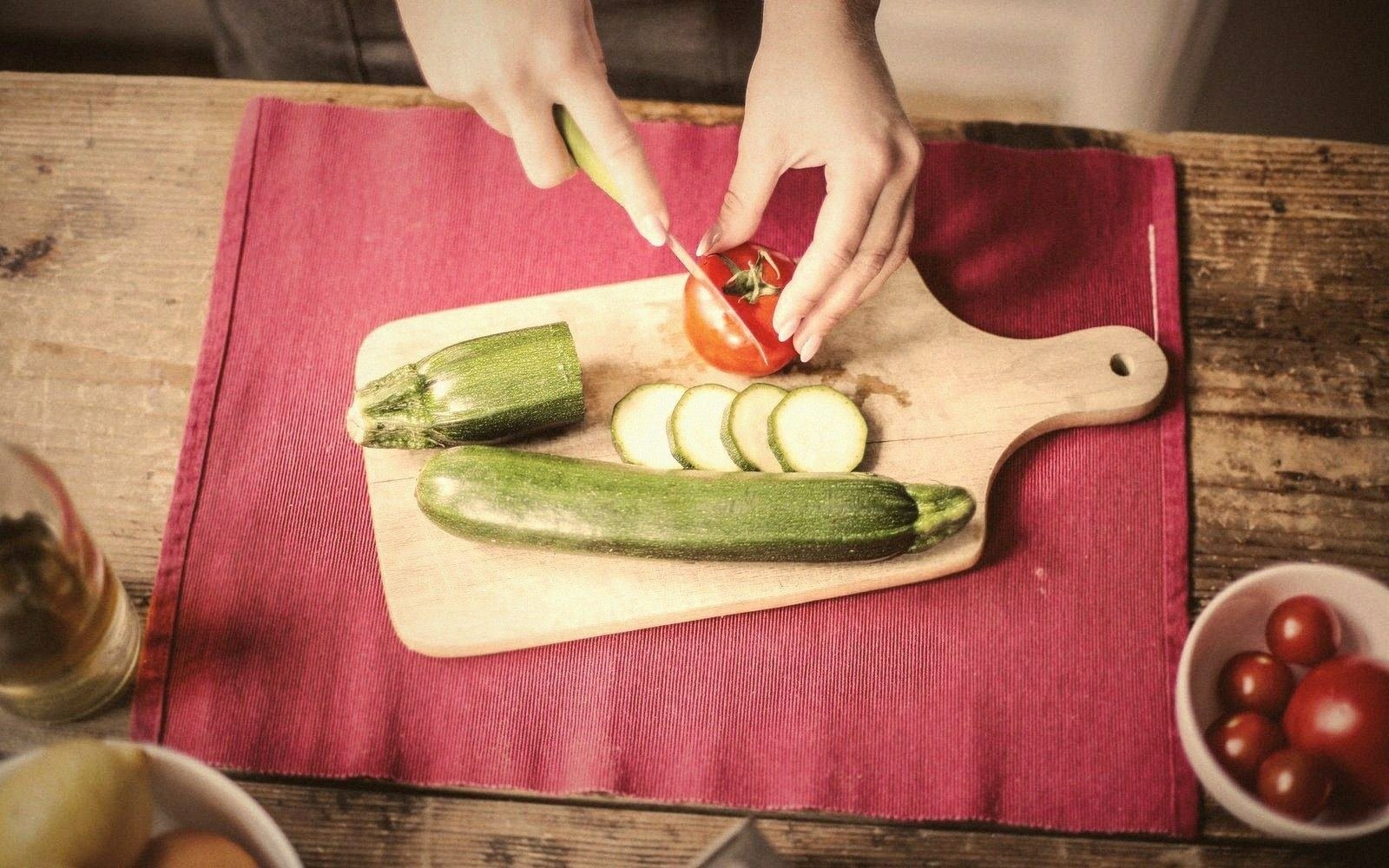
But you do not have to reach for the preserving pan every time. A glut is also a reason to cook the same thing several ways in quick succession and learn it thoroughly. Too many courgettes means cooking them slowly in olive oil until they collapse and sweeten — a technique quite unlike the quick sauté of a young one, and one that produces a concentrated, almost unctuous result good for spreading on bread or folding through pasta. Too many tomatoes means making a proper coulis: roasted first to drive off water and deepen the sugars, then passed, then reduced again, so the result is a month's worth of flavour pressed into a jar. Excess forces precision because waste sharpens attention.
The same logic applies to market buying. When something is briefly cheap and plentiful — the short window of early strawberries in their actual season, the brief flood of cèpes after autumn rain — that is the moment to buy more than you need today and decide what to do with the rest. The market vendor who watches you buy three tomatoes when tomatoes are fifty cents a kilo has seen this before and is judging you quietly.
Abundance is not the enemy of good cooking. It is the original patron. Every housewife who pickled walnut, potted duck or made tarte aux prunes was solving the same short-term crisis with the same long-term result: a larder, and a reason to know a technique cold.