Two Kitchens, One Bulb
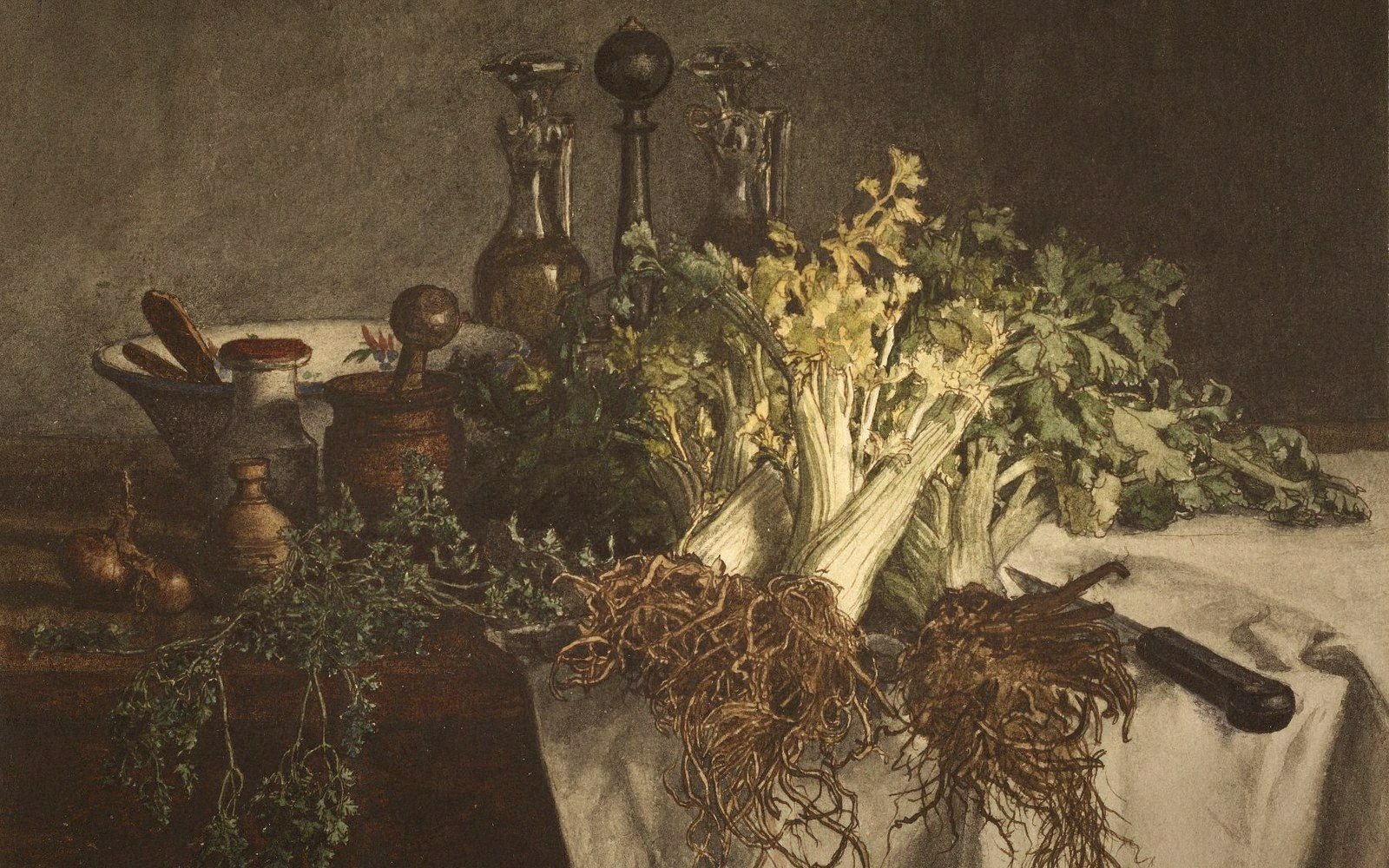
In Provence, garlic is structural. Aïoli — the thick emulsion of garlic and oil — is a dish in its own right, not a condiment. Pistou, the Provençal herb paste, begins with garlic crushed to a paste in a mortar before anything else is added. Lamb roasted in the Luberon is studded with whole cloves pushed into the flesh before the pan goes anywhere near heat. In this kitchen, garlic is not a background note. It is the point.
Travel north and the register shifts. Norman cooking — built on cream, butter and apple — treats garlic as an intruder, or ignores it entirely. Alsatian choucroute garnie, a dish with strong opinions, gets its character from juniper, caraway and riesling; garlic barely appears. The further from the Mediterranean, the more garlic retreats, and the cooks who use it sparingly are not being timid. They are following a different logic: dairy fat and alliums fight; rendered pork fat and onion are friends enough already.
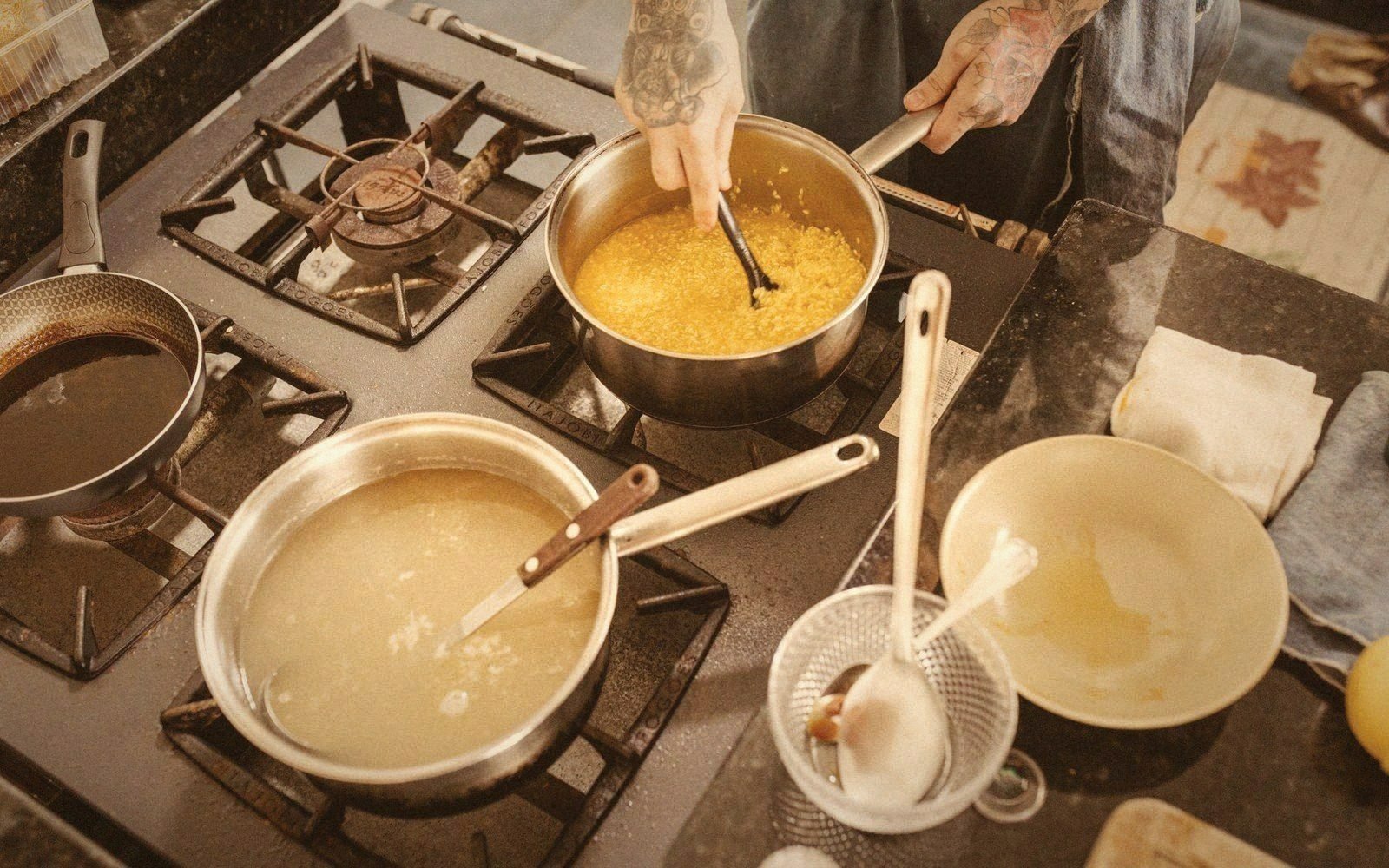
The real argument, though, is not geographic — it is about when and how. Raw garlic in a dressing is sharp and persistent; the same clove roasted to softness turns sweet and almost nutty, barely recognisable. Garlic cooked slowly in fat from the beginning of a braise releases its sugars and all but disappears into the sauce. Added at the last minute to a hot pan it blisters and turns bitter before it can do anything useful.
So the dispute between "in" and "out" usually masks a quieter disagreement about which form of garlic you mean. The person who hates garlic in a dish has probably eaten it burnt. The person who uses it everywhere has learned to control when it goes in and for how long.
The regional lines are real. But within each region, the technique decides what you actually taste.