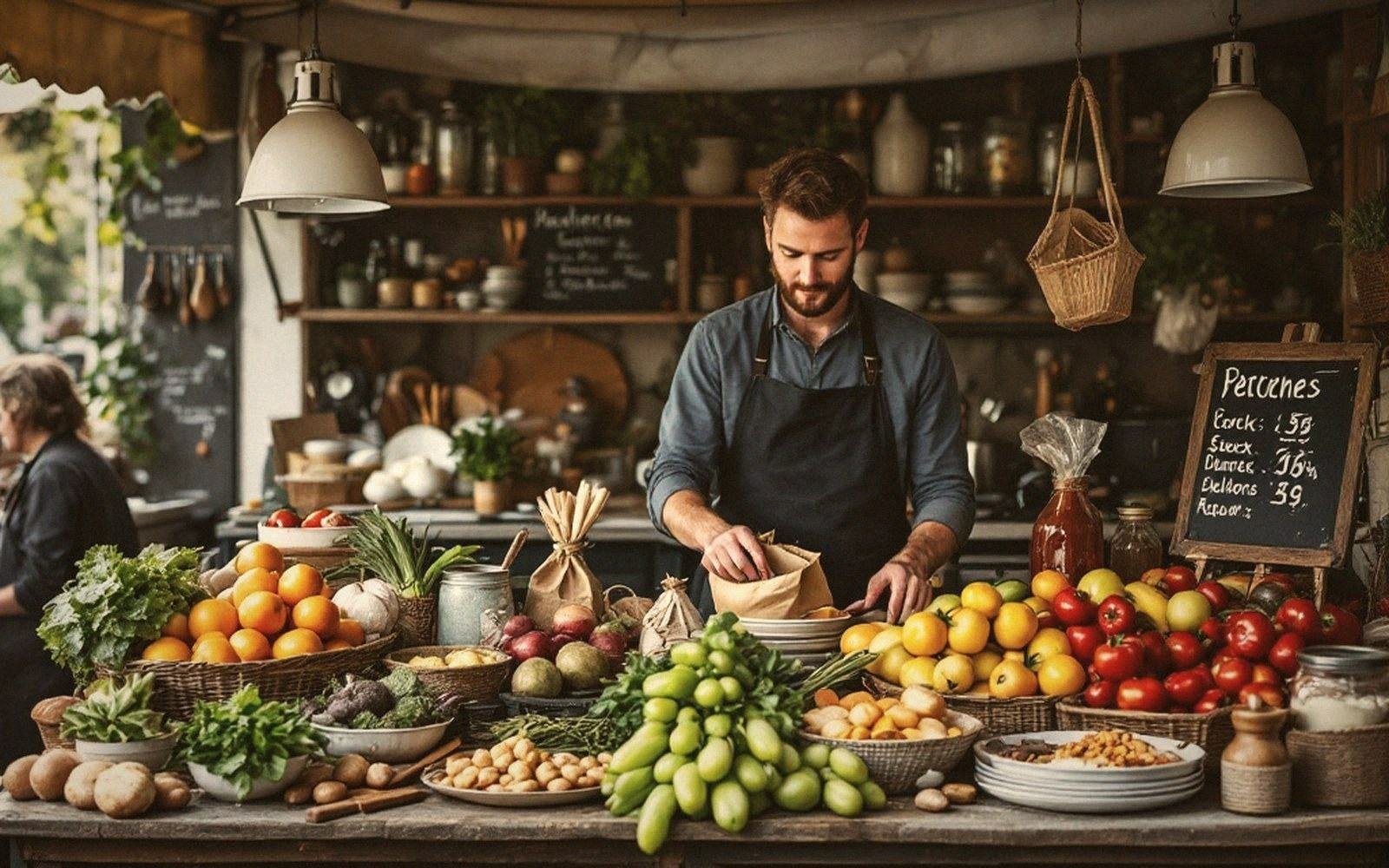
Almost always the fat, the acid, or what grew there
The simplest test for why a dish belongs where it does is to look at the fat. Normandy cooks in butter and cream because it is dairy country, not because Normans are more indulgent than anyone else. Provence reaches for olive oil because the olive grows there and the dairy animal does not. The fat is not flavouring — it is the first evidence of the landscape.
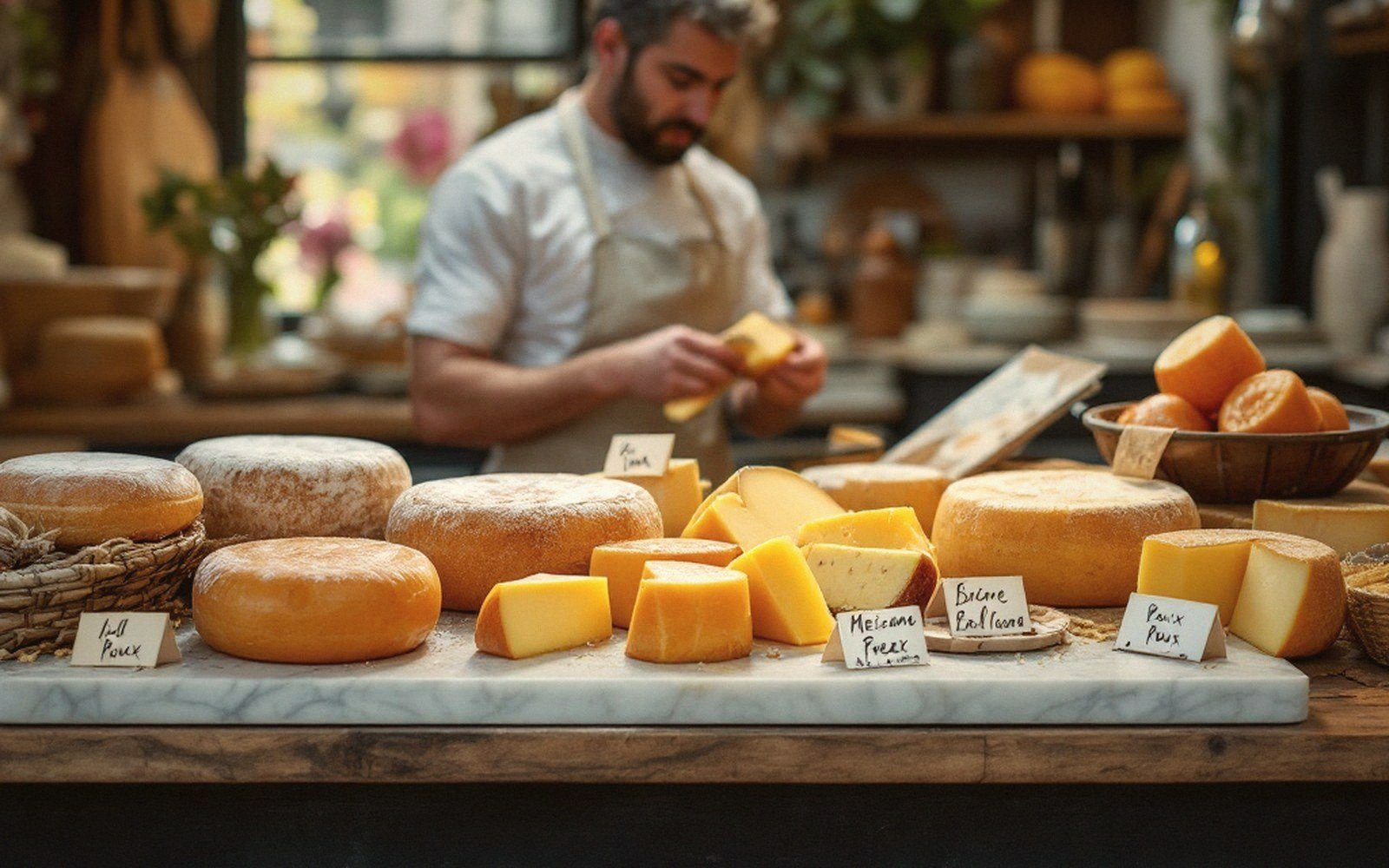
Acid works the same way. A Breton stew deglazes with cider because apples press well in that wet Atlantic climate, not because wine is forbidden. An Alsatian choucroute — fermented white cabbage braised with pork — is sour because fermentation was the winter strategy, not because it is German, though it is not entirely not German either. The climate and the border shaped the food together, and pulling one cause out of the other is usually a mistake.
What grew locally also set the protein. Bouillabaisse, the fish stew of Marseille and the central coast, specifies rascasse, grondin and similar rockfish not for snobbery but because the Mediterranean littoral is where those fish live. Moving the recipe north and substituting cod changes everything — not the recipe, but the dish's reason for existing.
Where preservation enters, the logic deepens. Charcuterie is not a tradition in pork-rearing regions because southerners were sentimental about pigs; it is there because salt, fat and smoke were the tools for carrying a large animal through a winter, and those tools left a flavour that outlasted the need for them.

Regional cooking, in the end, records the decisions people made under real constraints — soil, weather, what kept, what did not. When those constraints are gone, the flavour is often all that remains, which is enough.