Fat in the landscape
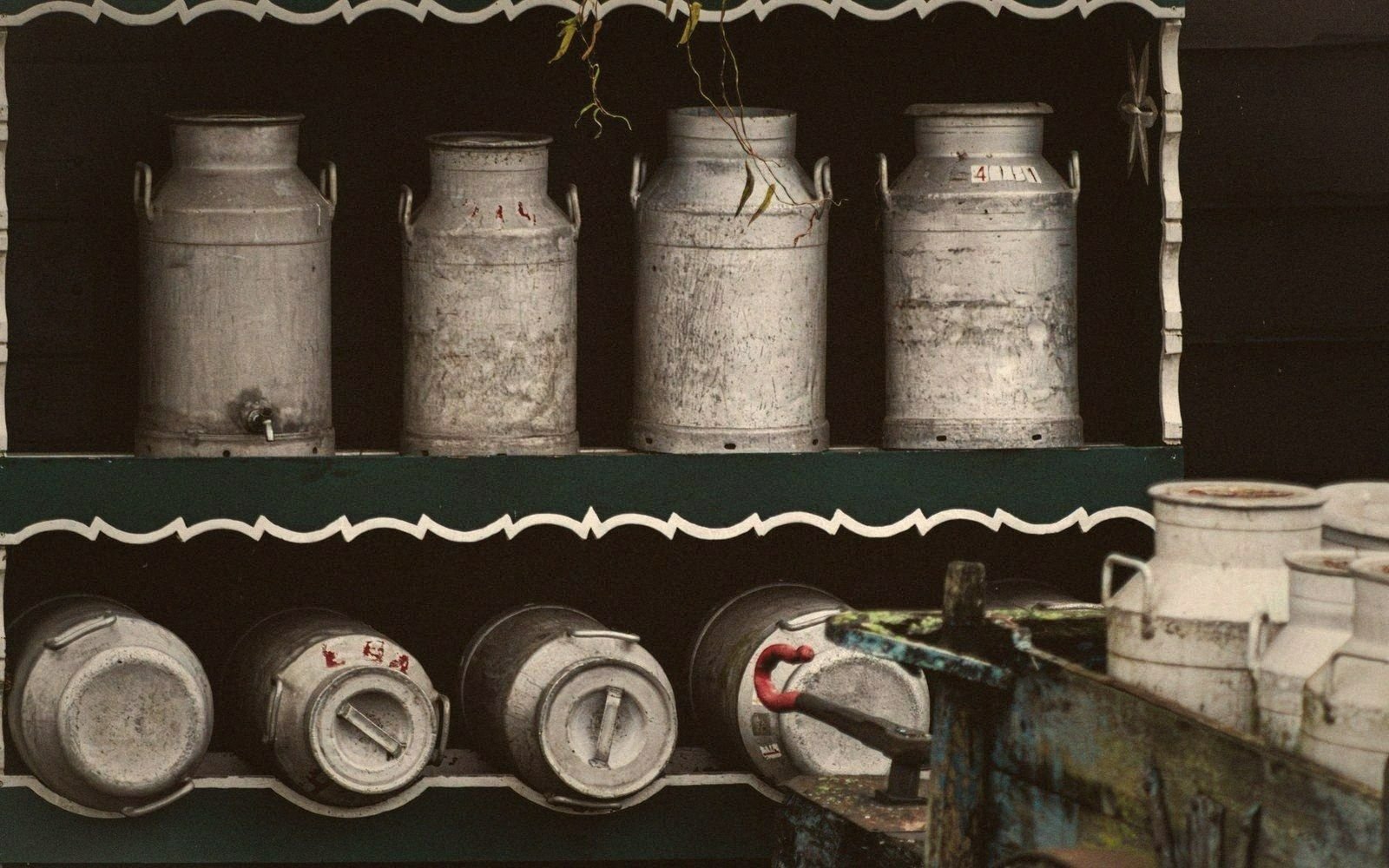
Drive through the Pays d'Auge — the strip of bocage running south from the coast between Caen and Lisieux — and the connection between landscape and plate becomes obvious. Dense, wet pasture; heavy Norman cattle; cream with enough fat to stand on a spoon. The cooking here was never going to be olive oil and herbs. It was always going to be butter and cream, because that is what the land made in surplus.
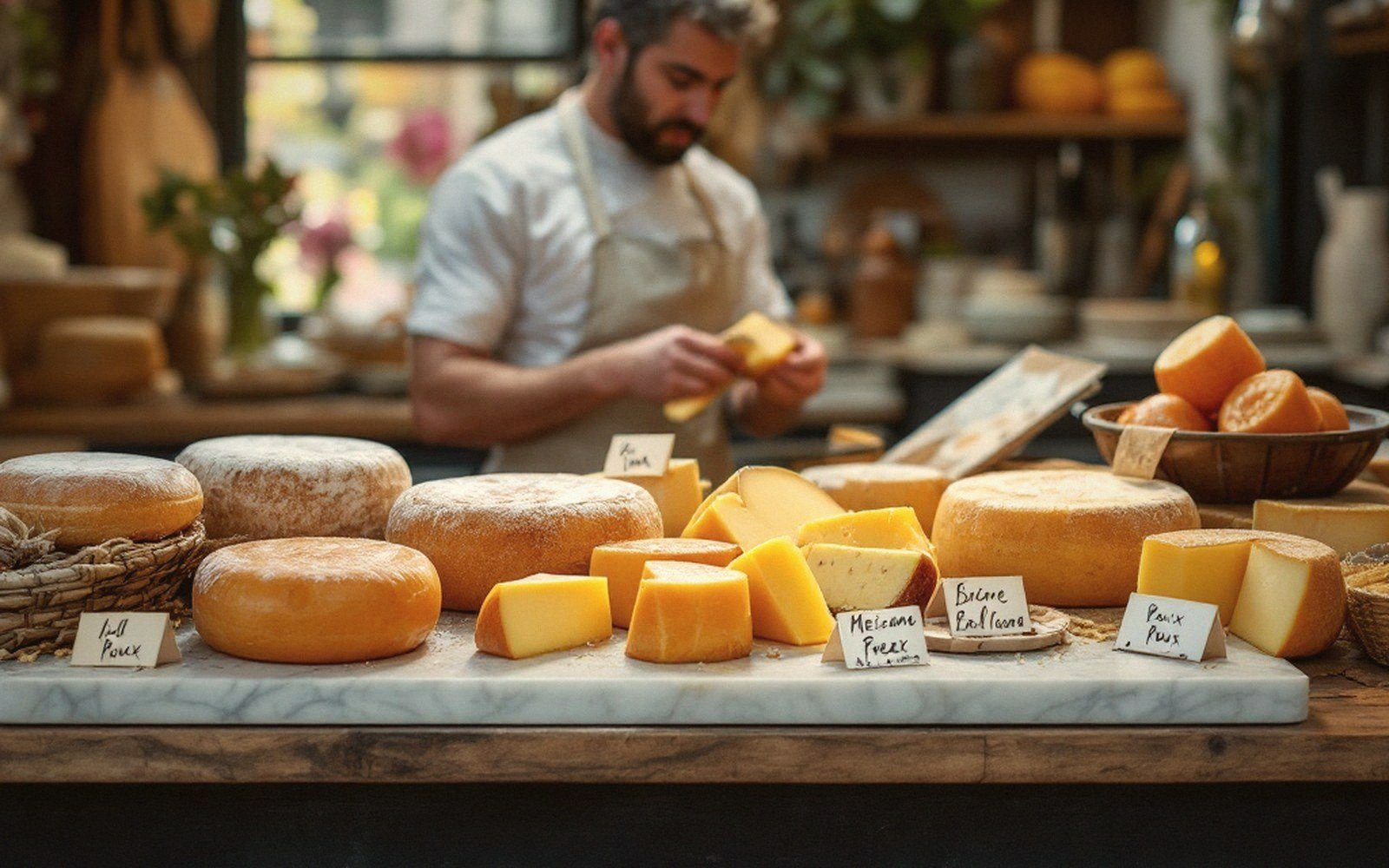
The dairy tradition is old enough that Normandy's cheeses are regulated and named: Camembert de Normandie, Livarot, Pont-l'Évêque, Neufchâtel. These are not incidental products sitting alongside a cooking culture — they are part of the same fact about this landscape. The milk is rich, the affinage is local, and the same cream that goes into the cheese press goes into the pan. Cooking and making are branches of the same root.
This matters to how you cook Norman dishes at home. When a recipe calls for crème fraîche, it means a cultured cream with enough acidity to resist curdling over heat — not whipping cream thinned with milk. The difference is structural. Whipping cream breaks in a hot pan the moment an acid is introduced; crème fraîche holds. Use the right thing and the sauce stays together; substitute and you spend ten minutes wondering what went wrong.
Apples, cider and Calvados
What wine does for Burgundy and Provence, the apple does for Normandy. The orchards here produce eating fruit but also cider — cidre brut (dry) or cidre doux (sweet) — and the distilled spirit Calvados, made under appellation rules in the Pays d'Auge and neighbouring areas. In a Norman kitchen these three work across the same register that wine and stock work elsewhere: they deglaze, they braise, they reduce.
Poulet vallée d'Auge — chicken braised with cider, finished with cream and often a splash of Calvados — is the definitive statement of the style. The cider's acidity lifts the sauce; the cream rounds and thickens it; the Calvados gives a dried-fruit depth you cannot get from wine. The technique is a standard braise: colour the bird in butter, sweat aromatics, add cider, cover and cook through, then lift the bird and reduce the liquid before adding the cream off the boil. Understanding why each step exists matters more than memorising the order. The colour on the bird is flavour. The reduction concentrates what the cider adds. The cream goes in off the boil so it does not tighten too fast.
Sole à la normande in its domestic form — far less baroque than the nineteenth-century restaurant version — is the same logic applied to fish. The sole poaches in a little cider and its own juices, which become the base of a cream sauce finished with butter. The sauce is an emulsion as much as a reduction; add the butter in pieces, off direct heat, and it suspends rather than pools.
Apples appear again in tarte normande, where sliced fruit bakes in a custard of cream and eggs inside a butter pastry shell. The filling is barely set — the cream keeps it soft — and the sugar caramelises at the edges. This is a dish where the quality of the butter in the pastry is not decoration. Norman butter, particularly unsalted and made from cultured cream, has a different flavour profile from a generic supermarket block: more complex, slightly tangy. Cold hands for pastry is where that technique sits; here, it is worth knowing that the butter you choose changes the flavour as much as anything else in the recipe.
What the style asks of a cook
Norman cooking is rich by definition, which means it asks for restraint in seasoning and portion. A cream sauce finished with butter does not need salt as freely as a wine-based sauce; the dairy fat carries flavour and fills the palate faster. Season at the end, after reduction, when the sauce's true concentration is apparent.
The other discipline is heat. Cream breaks and butter clarifies if the temperature runs too high. Norman sauces are finished gently — the pan pulled back, the spoon working slowly — because the method is suited to the ingredients, not the other way around.