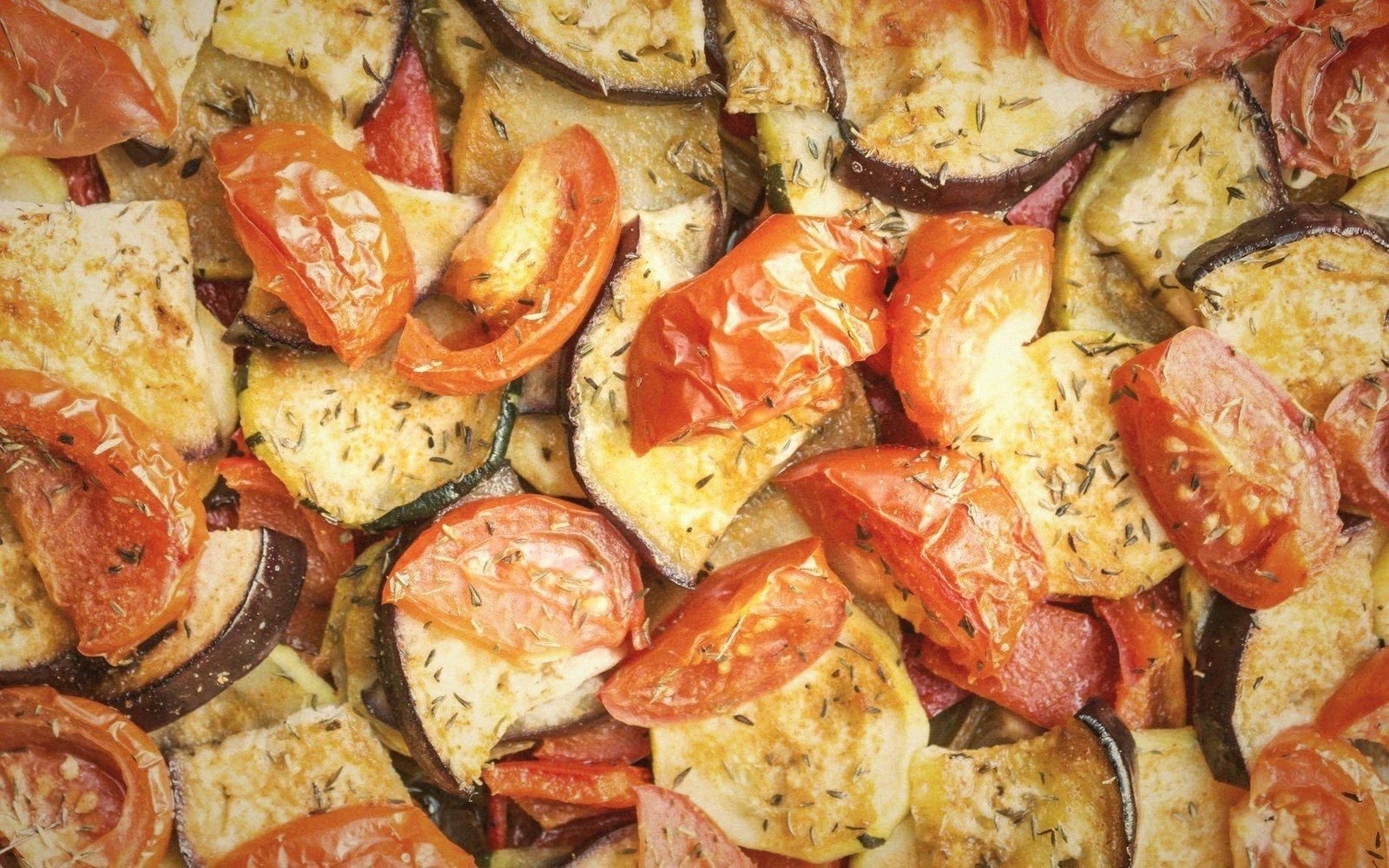
Why the pot ruins it
Ratatouille is a Provençal dish, which means it is built on olive oil and summer abundance — courgettes, aubergines, peppers, tomatoes, onion, garlic. All of them arrive in the markets around the same time, which is why they ended up in the same pot. That timing is seasonal logic, not cooking logic.
The problem is water. Courgettes are roughly ninety-five percent water. Aubergines, despite their dense, meaty feel when raw, release enormous quantities of liquid when heat hits them. Tomatoes are mostly juice. Put all of this in a covered pot at once and you are not sautéeing anything — you are boiling everything, in the vegetables' own water, at the same temperature, for the same length of time. The result is a uniform, grey-green purée that tastes of nothing in particular because nothing was ever hot enough to develop colour, and colour is flavour.
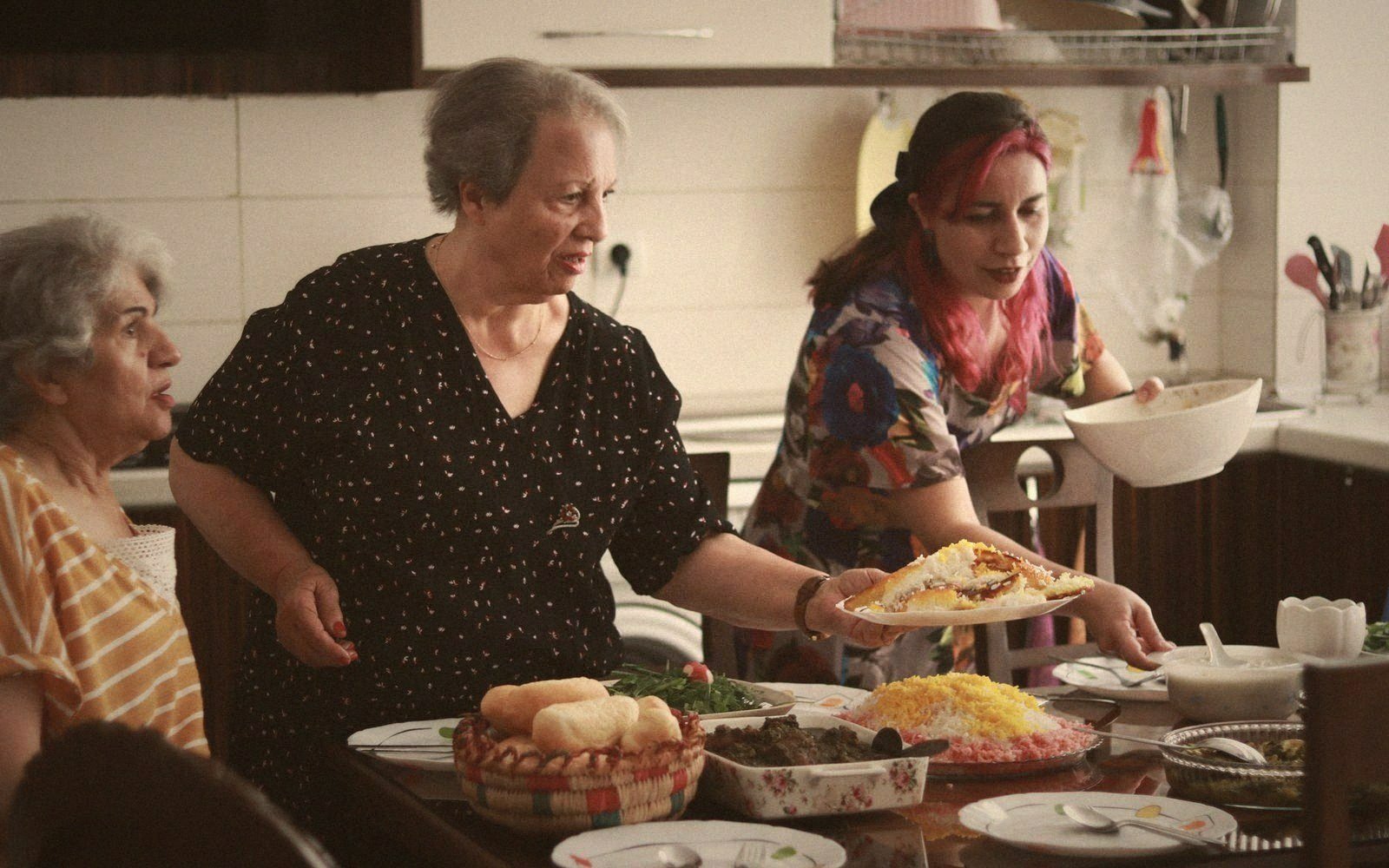
The solution has been understood in Provençal home cooking for generations, and it is simply this: cook each vegetable separately, in enough oil, in enough heat, until it has given up its moisture and started to take on colour at the edges. Then combine them.
The order matters, and so does the oil
Aubergine goes first, because it takes longest and absorbs the most oil before its cells collapse and release it back. Cut it into pieces — not too small, or it will dissolve — and cook it in a wide pan over real heat until the cut faces are genuinely golden. This is not a gentle process. The aubergine needs to hiss. Remove it and set it aside.
Peppers go separately. They want higher heat still, or longer time, because their skins are waxy and their flesh is dense. In a proper Provençal kitchen they might be roasted whole, then peeled, the char contributing its own flavour. Courgettes need a hot pan and brevity — they colour fast and overcook fast; once they are golden on at least two sides, they are done. Keep them slightly undercooked at this stage, because they will see heat again when everything comes together.
Onion and garlic take time of a different kind: low and slow, until the onion is completely translucent and sweet, the garlic soft. These are the base into which everything is folded at the end. Tomatoes — fresh, peeled, roughly chopped, or a tin of good whole tomatoes in summer's absence — go in with the onion, and they cook down separately until the liquid is largely gone and what remains is thick and red and concentrated.
Only then do you combine: the aubergine, the peppers, the courgettes, laid into the tomato and onion base. A short, final simmer — ten minutes, no more — lets the flavours know each other without destroying the textures. Each vegetable remains itself. The dish is a collection of things, not a single collapsed mass.
What the method is really for
This is the principle behind almost all serious vegetable cookery: respect the individual water content and cooking time of each ingredient rather than pretending they are interchangeable. It is the same instinct that makes a good cook add carrots and celery at different moments in a long braise, or build a soupe au pistou — the great Provençal vegetable soup — by timing each vegetable so it is just done when the bowl reaches the table.
The oil quantity, incidentally, is not negotiable. Ratatouille cooked in too little oil is a punishment. Provençal olive oil carries the dish; it is the medium in which the vegetables develop flavour, and it becomes part of the sauce. This is not a light dish, and it should not pretend to be. Served cool the next day, with good bread, the oil has had time to settle back through the vegetables. That, many people would argue, is when ratatouille is actually ready.